introduction: by observing pictures of luxury aircraft rooms in thailand, you can intuitively understand how modern indoor energy-saving innovations are integrated with luxurious environments. this article uses the design elements in the image as clues to summarize energy-saving solutions and replicable practices that are suitable for similar spaces, taking into account comfort and energy efficiency, and making it easy for architectural designers, interior planners and operators to refer to them for implementation.
pictures often show how to achieve both high performance and good looks in a limited space: emphasizing natural lighting, low-reflective surfaces, compact equipment layouts, and visual energy management. summarizing these concepts as "people-oriented, environment-driven, and technology integrated" can provide design reference for luxury cabins or aircraft rooms in other regions and help improve overall energy performance.
insulation, composite panels and low heat transfer finishes are commonly seen in pictures of luxury aircraft cabins in thailand. these passive designs reduce air conditioning load. practices that can be replicated include using lightweight and efficient thermal insulation materials, optimizing window shading and reflective coefficients, and setting up thermal bridge isolation structures on the ceiling and floor to reduce heat and cold exchange and energy consumption from the source.
the lighting shown in the picture uses zone control and adjustable color temperature lamps, combined with sensors and scene-based management, which can significantly reduce lighting energy consumption. the replication strategy is to introduce led high-efficiency light sources, linkage of light sensors and occupancy sensors, and achieve time period and scene optimization through bms (building management system), taking into account visual comfort and energy saving.
key points suitable for localized replication can be extracted from the picture: modular design facilitates maintenance and replacement, regionalized energy consumption monitoring facilitates fine management, and low-carbon certified or recyclable types of materials and equipment are prioritized. by following these points, luxury and energy-saving goals can be simultaneously achieved, reducing long-term operating costs and environmental impact.
the functional division of confined spaces directly affects energy consumption. the reasonable streamlines and functional zoning in the picture reduce unnecessary air conditioning range. replicable practices include increasing partition flexibility, using certified low-emission materials, and prioritizing locally produced materials to reduce the carbon footprint of transportation and enhance the sustainability and enforceability of the design.
combined with the equipment layout in the picture, the air conditioning system can use variable air volume, zone control and heat recovery devices to improve efficiency. practical methods include optimizing the air supply and exhaust paths, introducing energy recovery heat exchangers, and adjusting the system's seasonal operation strategy to maximize the energy efficiency of high-performance air conditioners in different climates and usage intensities.
the implementation of energy-saving plans should follow the five-step method of research-plan-simulation-pilot-optimization. as a source of design inspiration, pictures can be combined with energy simulation and small-scale pilots to verify performance, and then conduct digital evaluation and continuous optimization. it is recommended to establish kpis (such as energy consumption density, peak load reduction rate) to quantify the effect and facilitate promotion and replication.
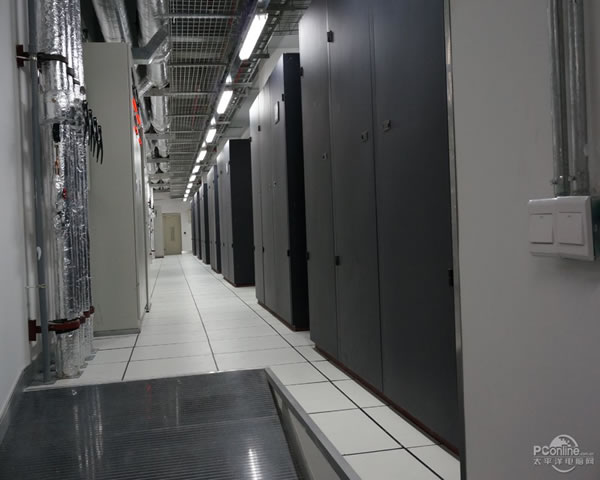
summary: pictures of luxury aircraft rooms in thailand provide a visual example of energy-saving innovation. the core lies in passive material strategies, intelligent lighting and air conditioning optimization, and modular and replicable processes. it is recommended to prioritize energy consumption simulation and zoning pilots during localized replication, and combine sustainable materials and bms monitoring to ensure both a luxurious experience and long-term energy saving goals.
- Latest articles
- Cultural Differences: Common Etiquette And Communication Techniques Chinese People Use Korean Servers
- How To Take A Good Group Photo Of A Korean Boy Band Standing In A Row On The Red Carpet
- Enterprise-level Analysis Of How Taiwan Server Accelerators Enhance Cross-border Access Experiences
- Buying Cloud Servers In Thailand: How To Quickly Deploy Your Business Using Images And Templates
- Steps And Common Problem Solutions For Deploying A Native IP Server In Vietnam From Scratch
- Does High VPS Latency In Telecom Korea Affect SEO And User Retention? Data Evaluation Methods
- Taiwan Telecom CN2 Broadband Performance In Remote Work And Video Conferencing Tests
- Industry Case: Differences In The Performance Of Cloud Servers In Hong Kong And Singapore In The Financial And Gaming Industries
- How To Choose A Vietnam Cloud Hosting VPS Rental - A Guide To Comparing Merchants And Bandwidth Nodes
- Interpretation Of Alibaba Cloud Singapore's CN2 Access Advantages And International Network Layout Recommendations
- Popular tags
-

From Supplier Selection To Acceptance Standards, We Will Teach You How To Smoothly Promote The Implementation Of Computer Room Construction In Thailand.
this article comprehensively explains how to promote the implementation of computer room construction in thailand from supplier selection, construction management to acceptance standards, including technical key points, compliance and testing procedures to facilitate smooth project delivery. -

Thailand Game Room Buying Guide One-stop Solution
this article provides a detailed thailand gaming room buying guide to help you understand how to choose the right equipment and services to meet your gaming needs. -
Analysis Of The Advantages And Industry Prospects Of Thailand's IDC Data Center Computer Room
This paper analyzes the advantages and industry prospects of Thailand's IDC data center computer rooms, and discusses Thailand's position and development trends in the global data center market.